When you’re planning a gift basket, the first thing that pops into mind is usually the goodies inside—artisan chocolates, local honey, or a fragrant candle. But the outer shell can make or break the overall experience. If you’re aiming to impress while keeping your carbon footprint in check, you’ll want to ask: where to find eco‑friendly gift basket packaging? This article will walk you through the options, highlight the best materials, and give you a few insider tips so your gift looks as good as it feels.
Why Packaging Matters
Packaging is the unsung hero of gifting. It protects, presents, and often tells a story. When you choose a sustainable option, you’re saying, “I care about the planet as much as I care about the recipient.”
A 2023 study found that Browse this site 78% of consumers consider eco‑friendly packaging a deciding factor when buying gifts. That’s a lot of “green” love.

The Environmental Cost of Conventional Packaging
- Plastic: 8.3 million tonnes of plastic waste hit landfills annually. Paper: 1.5 billion trees are cut for packaging each year. Foam: Non‑biodegradable and often ends up in oceans.
The good news? Alternatives exist that are both stylish and planet‑friendly.
Materials That Make a Difference
When you’re hunting for eco‑friendly gift basket packaging, you’ll encounter several materials. Each has its own strengths and trade‑offs.
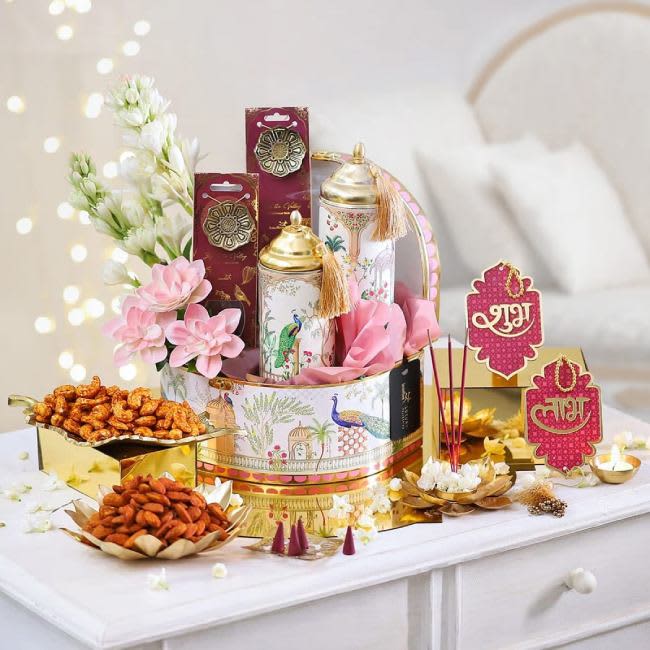
Recycled Paper and Cardboard
- Pros: Lightweight, recyclable, and can be printed with soy‑based inks. Cons: Less sturdy than some natural fibers; may need reinforcement for heavier baskets.
> “A paper bag is a little like a hug—soft, supportive, and full of potential.” – Anonymous
Bamboo
- Pros: Fast‑growing, renewable, and incredibly strong. Cons: Can be pricier; may require a protective finish to resist moisture.
Jute and Hemp
- Pros: Durable, biodegradable, and give a rustic, earthy vibe. Cons: May not be suitable for very delicate items.
Recycled Fabric
- Pros: Soft, reusable, and can double as a gift wrap. Cons: Needs washing before reuse; not ideal for very heavy baskets.
Where to Source Sustainable Packaging
Finding the right packaging is one thing; finding it at a price that fits your budget is another. Here’s a quick guide to the best places to start your search.
Online Marketplaces
- Etsy: A treasure trove of handmade, eco‑friendly baskets and wrapping materials. Amazon Sustainability Store: Curated selection of low‑impact packaging. Alibaba: Bulk options for businesses; just check for certifications.
Local Artisans and Co‑ops
- Farmers’ Markets: Many local producers sell hand‑crafted bamboo baskets. Co‑operative Stores: Often carry recycled paper and jute supplies.
Specialty Packaging Suppliers
- EcoPackaging Solutions: Offers a wide range of biodegradable options. GreenBox Co.: Specializes in custom, eco‑friendly gift boxes and bags.
How to Choose the Right Packaging
Selecting the perfect eco‑friendly packaging involves more than just picking a material. Consider these factors:
- Weight and Size of the Basket: Heavier baskets need sturdier shells. Theme of the Gift: A rustic basket might pair well with jute, while a chic, modern gift could shine in bamboo. Brand Image: If you’re a business, your packaging can reinforce your sustainability narrative.
A Quick Decision Matrix
Practical Tips for Using Eco Packaging
Once you’ve picked your packaging, you’ll want to make the most of it. Here are a few tricks to keep your gift looking polished.
- Add a Personal Touch: Hand‑write a note on a recycled card. Use Natural Adhesives: Beeswax or soy glue keeps the look natural. Layer Wisely: Use biodegradable tissue paper to cushion fragile items. Re‑use When Possible: Offer the basket back to the recipient for future use.
Anecdote: The “Oops” Moment
I once gave a friend a gift basket for her birthday. The packaging was a gorgeous bamboo basket, but I forgot to secure the lid. She opened it at the party, and the contents scattered everywhere. Lesson learned: always double‑check the closure, especially with natural materials that might not have the same snap‑fit as plastic.
Rhetorical Questions to Ponder
- Are you ready to make a lasting impression without leaving a lasting footprint? What if your gift could double as a keepsake? Could a simple choice in packaging elevate your brand’s eco‑credentials?
The Bottom Line: Making Your Selection Count
Choosing eco‑friendly gift basket packaging is more than a trend; it’s a statement. By selecting materials like bamboo, recycled paper, or jute, you’re not just wrapping a present—you’re wrapping a promise to the planet. Remember that the best packaging aligns with the gift’s purpose, the giver’s values, and the recipient’s expectations.
If you’re looking to make a splash in the eco‑friendly gifting arena, start by exploring local artisans, checking online marketplaces, and evaluating the materials that fit your needs. The next time you ask, “where to find eco‑friendly gift basket packaging?” you’ll have a clear roadmap and a heart full of confidence.
Your next gift will not only bring joy but also a touch of green that keeps on giving.